
Spain

Spain is not only a destination but also the start of an endless journey. Like a ferry crossing that carries us from coast to coast, it reveals to us the beauty of the unknown and the freedom of discovery.
Spain, a land of captivating beauty, rich in history, culture and culinary delights, invites you on an unforgettable journey. From the majestic peaks of the Pyrenees to the sun-kissed beaches of the Costa del Sol, Spain offers a variety of scenic beauty and cultural experiences that enchant every visitor.
Whether you explore the ancient ruins that bear witness to the country's rich Roman and Moorish past, or lose yourself in the lively streets, where the sound of flamenco and the aroma of tapas bring the senses to life, Spain promises an experience that exceeds all expectations.
Join us on this journey through the highlights and hidden treasures of Spain as we explore the fascinating diversity of this country, known as one of the most popular travel destinations in the world. ¡Vamos a España!
- Location: Southwestern Europe, on the Iberian Peninsula
- Area: About 505,990 km²
- Population: Around 46 million people
- Capital: Madrid
- Official language: Spanish (also known as Castilian)
- Currency: Euro
- Culture: Diverse, with strong influences from history, art, music, dance and literature
- Politics: parliamentary monarchy
- Cuisine: Famous for tapas, paella, jamón (ham) and a large selection of wines
- Activities: Beach life on the coast, exploring historic towns, hiking in the mountains, flamenco and music events
Operators & routes from / to Spain
Sights
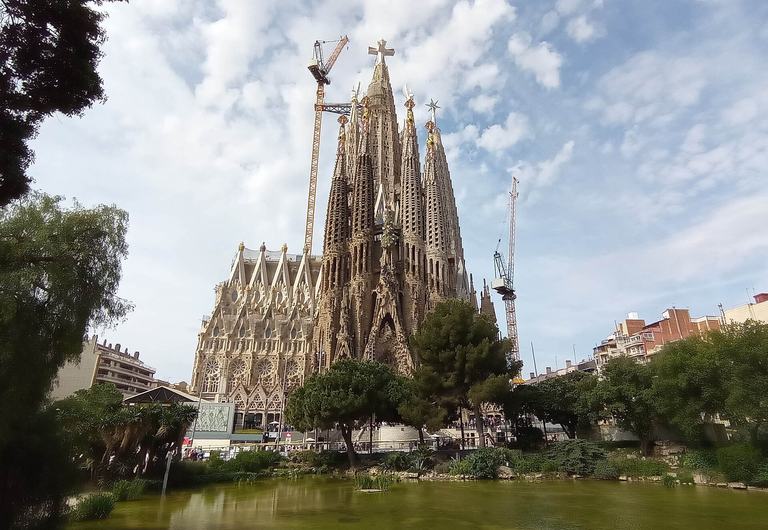
Photo: Canaan (CC BY-SA 4.0)
The Sagrada Familia is undoubtedly one of the most striking and unique churches in the world. Designed by Antoni Gaudí, it is a masterpiece of modernist architecture that impresses visitors with its impressive size and fascinating facade.
Construction began in 1882, and the church has never been completed and is still under construction, which gives it a special mystical aura. Its delicate towers rise majestically into the sky, and its interior is adorned with colourful stained-glass windows and organic forms that turn the light into a kaleidoscopic play of colours and patterns.
A visit to the Sagrada Familia is not only a journey into the world of architecture but also a spiritual experience that enchants visitors with its beauty and uniqueness.
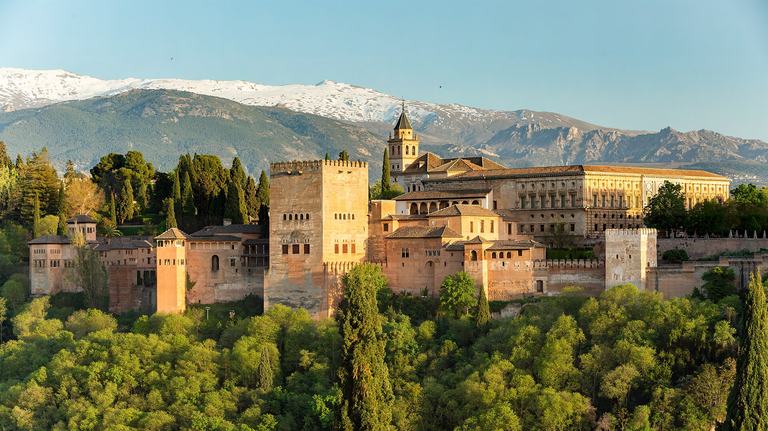
Photo: Diego Delso (CC BY-SA 4.0)
The Alhambra in Granada is one of the most breathtaking and fascinating sights in Spain. This Moorish palace complex, towering high above the city, is a masterpiece of Islamic architecture and a UNESCO World Heritage Site.
The Alhambra impresses with its intricate gardens, magnificent courtyards and opulent palaces, decorated with delicate stucco work, ornate tiles and carved wooden elements.
Strolling through the winding lanes and courtyards of the Alhambra, you feel transported to another world, where time seems to stand still and the beauty of Moorish culture reveals itself in all its splendour.
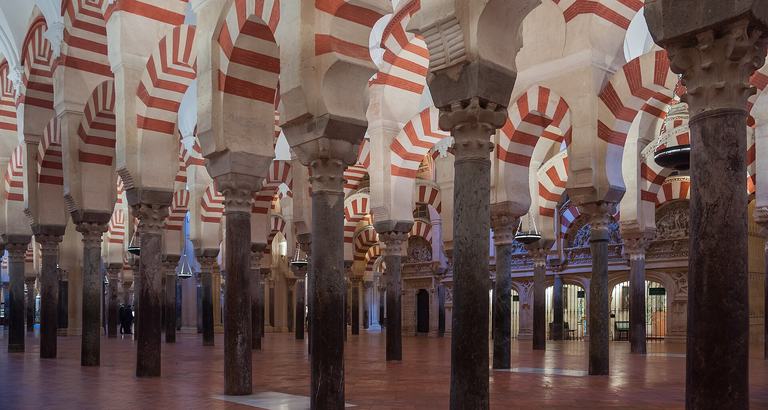
Photo: CEphoto, Uwe Aranas (CC BY-SA 3.0)
The Mezquita in Córdoba is one of the most impressive religious buildings in the world and a symbol of Spain's rich history. Originally built as a Muslim mosque in the 8th century, it was converted into a Christian cathedral in the 13th century after the Reconquista, resulting in a fascinating blend of Islamic and Christian architecture.
Its striking feature is the hundreds of red and white arches that shape the interior of the mosque and give it a unique appearance. The Mezquita is a fascinating testament to Spain's cultural diversity and an essential destination for anyone who wants to experience the country's rich history and architecture.
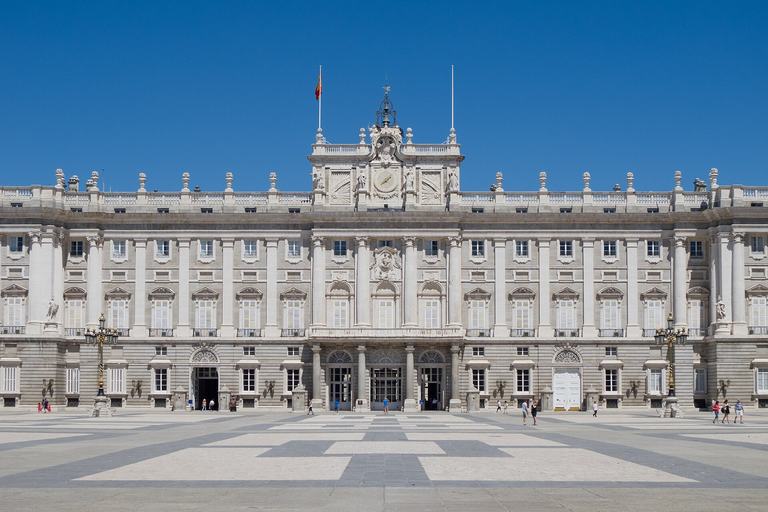
Photo: Carlos Delgado (CC BY-SA 3.0)
The Royal Palace of Madrid, also known as the Palacio Real, is a majestic and magnificent building that embodies the royal splendour of Spain. With more than 3,000 rooms, it is one of the largest royal palaces in the world and an outstanding example of 18th-century Spanish architecture.
Visitors can stroll through the opulent state rooms, magnificent living quarters and artfully designed gardens to gain insight into the life of the Spanish monarchs. The palace's royal chambers and treasures, including impressive artworks, magnificent chandeliers and royal regalia, bear witness to Spain's royal history and make it a fascinating destination for history enthusiasts and lovers of culture.
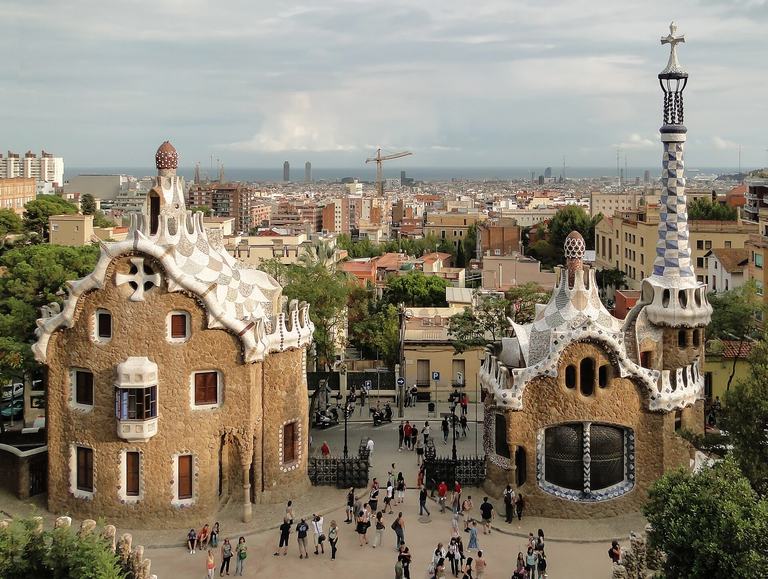
Photo: Bernard Gagnon (CC BY-SA 3.0)
Park Güell is a unique and enchanting oasis of art and nature in the heart of the bustling city of Barcelona. Designed by the famous architect Antoni Gaudí, the park is a true masterpiece of Modernisme and a UNESCO World Heritage Site.
Its ornate sculptures, colourful mosaics and organic forms make it one of the city's most popular tourist destinations. Visitors can stroll along the winding paths of the park, surrounded by lush vegetation and breathtaking views of the city, and experience the magical atmosphere and creative genius of Gaudí in every detail.
Park Güell is not only a place of beauty and inspiration, but also a place of joy and wonder that enchants visitors with its unique combination of art, nature and architecture.
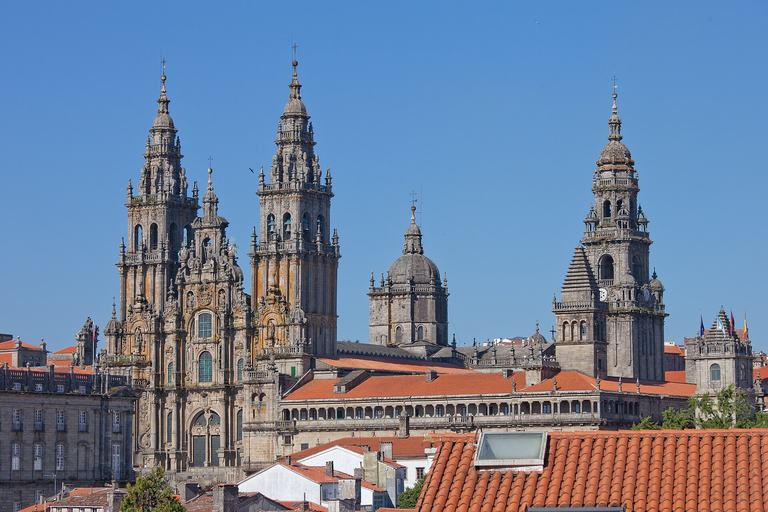
Photo: Luis Miguel Bugallo Sánchez (CC BY-SA 3.0)
Santiago de Compostela Cathedral is not only an architectural masterpiece, but also a spiritual centre and an important pilgrimage destination for believers from around the world. As the end point of the famous Camino de Santiago, one of the most important Christian pilgrimage routes in the world, the cathedral attracts hundreds of thousands of pilgrims every year, who come to venerate the relics of the Apostle James.
The cathedral's imposing façade, its magnificent reliquaries and its majestic altars bear witness to the glorious past and spiritual significance of the site.
The cathedral is not only a place of worship and devotion, but also a place of peace and reflection, where pilgrims have the opportunity to contemplate their spiritual journey and draw new strength and inspiration.
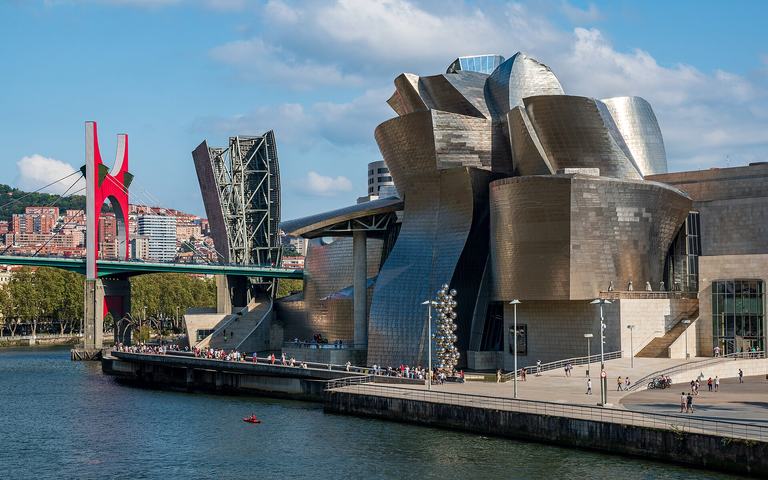
Photo: José Ligero Loarte (CC BY-SA 4.0)
The Guggenheim Museum Bilbao is not only a museum but also an architectural marvel and a symbol of the rebirth and renewal of the city of Bilbao. Designed by the renowned architect Frank Gehry, the museum is a spectacular example of contemporary architecture and a highlight of cultural life in Spain.
The museum's striking titanium facade and its organic forms make it a unique and distinctive building that impresses visitors with its creative genius and futuristic aesthetic. Inside the museum, visitors can discover an impressive collection of modern and contemporary artworks, including works by artists such as Andy Warhol, Mark Rothko and Jeff Koons.
The Guggenheim Museum Bilbao is not only a place of art and culture, but also a symbol of the creative spirit and cultural diversity of Spain, attracting and inspiring visitors from around the world.
The Alcazar of Seville is a fascinating example of Moorish architecture and one of the most outstanding sights in the city. Originally built as a Moorish palace in the 14th century, the Alcazar is an impressive ensemble of palaces, gardens and courtyards that enchants visitors with its beauty and elegance.
The magnificent inner courtyards of the palace, adorned with artful tiles, ornate stucco work and lush gardens, are a reflection of the rich history and culture of Andalusia.
Visitors can stroll through the winding alleys and courtyards of the Alcazar, surrounded by the unrivalled beauty of Moorish architecture and the lush scents and colours of the gardens, and experience the fascinating history and culture of Spain up close. The Alcazar of Seville is not only an architectural masterpiece, but also a place of beauty and inspiration that enchants visitors with its timeless elegance and cultural richness.


Cultural facts
An Ode to History, Nature and Tradition
Spain, a country of remarkable diversity and cultural richness, presents itself as a melting pot of different civilisations and traditions. From ancient Moorish influences to the lively festivals of modern times, Spain's culture is as colourful and multifaceted as its landscapes.
Deep Roots
The history of Spain is a fascinating journey through the centuries, shaped by the rule of the Romans, the Moors and the Reconquista. These historical influences have shaped the country and its culture, which is reflected in its architectural masterpieces, its culinary traditions and its vibrant festivals.
The Beauty of Nature
From the snow-capped peaks of the Sierra Nevada to the golden beaches of the Costa del Sol, Spain offers a breathtaking variety of landscapes. The majestic Pyrenees in the north, the endless olive groves of Andalusia and the wild coasts of the Basque Country are just a few examples of the natural beauty the country has to offer.
Vibrant Traditions: Festivals and Customs
Spain's festivals and customs are lively expressions of its rich cultural traditions. From the colourful processions of Semana Santa to the exuberant celebrations of the Feria de Abril, there is a wide variety of festivals throughout the year that bring people together to celebrate, dance and enjoy life.
Linguistic Diversity: Spanish and the Regional Languages
Spanish, also known as Castellano, is the official language of Spain, but the country is also rich in regional languages and dialects. Catalan, Basque, Galician and Valencian are just some of the languages spoken in different parts of the country, reflecting Spain's cultural diversity.
Tapas, Paella and More
Spanish cuisine is world-famous for its variety and delicious flavours. From hearty tapas in the narrow lanes of Barcelona to paella on the sun-drenched beaches of Valencia, Spain offers a wealth of culinary delights that enchant the senses.
A Land of Contrasts and Beauty
Overall, Spain is a land of contrasts and beauty that enchants its visitors with its rich history, its impressive nature and its vibrant traditions. This destination page invites you to discover the heart of the Iberian Peninsula and experience the wonders of Spain. ¡Bienvenidos a España!
Fun facts
La Tomatina
The world's most famous tomato fight takes place every year in Buñol. Thousands of people gather to pelt each other with overripe tomatoes and make a huge red mess. It is a messy, festive tradition that has existed since the 1940s and attracts tourists from all over the world.
The longest siesta
In Spain, the siesta is a sacred tradition. Usually between 14:00 and 17:00, many shops and businesses close for a lunch break and to rest. But the town of Ador in Valencia holds the record for the longest siesta: it lasted a full 2 hours and 28 minutes!
Las Fallas
Every year in March, the city of Valencia turns into a sea of flames during the Las Fallas festival. Gigantic papier-mâché figures, called “Fallas”, are burned in a spectacular celebration to welcome the start of spring and symbolically leave the old behind.
The most word-rich country
Spain holds the Guinness World Record for the most words in one language. The Spanish language has over 400,000 words, more than any other language in the world. Proof of the linguistic creativity and diversity of the country.
The world's largest vineyard area
Spain has the largest area planted with grapevines. With over 2.9 million hectares of vineyards, Spain leads wine production and offers an impressive variety of wine types, from Rioja to Cava.
The crazy “Running of the Bulls”
Every year in July, thousands of people flock to Pamplona to take part in the famous “Running of the Bulls”. Brave (or reckless) participants run through the town's narrow streets, chased by wild bulls, in a spectacular and dangerous ritual that mixes tradition and adrenaline.
Seasonal highlights
Spring (March to May)
- Semana Santa: Holy Week is one of the most important religious celebrations in Spain. Many towns hold impressive processions, accompanied by traditional music and a festive atmosphere.
- Flower festivals: In some regions, such as Córdoba, flower festivals take place in spring, when streets and squares are decorated with elaborate flower arrangements.
- Outdoor activities: Spring is the perfect season to explore the breathtaking Spanish landscape. Hikes in the mountains, bike tours through the countryside or a day at the beach offer countless ways to enjoy nature.
Summer (June to August)
- Feria de Malaga: In August, Malaga turns into a fiesta hotspot with street festivals, flamenco shows and traditional food.
- Tomatina: The famous tomato fight in Buñol is a must for adventurous visitors who enjoy throwing overripe tomatoes at each other.
- Music festivals: From jazz to flamenco to electronic music, Spain offers a wide range of music festivals in summer that attract visitors from around the world.
Autumn (September to November)
- Wine harvest festivals: In Spain's wine regions, such as La Rioja or Ribera del Duero, numerous wine harvest festivals are held in autumn, where visitors can taste local wines and take part in the celebrations.
- Dia de la Hispanidad: Spain's national day on 12 October is celebrated with parades, fireworks and cultural events that celebrate the diversity and unity of the country.
- Pilgrim routes: Autumn is a popular time for pilgrimages on the famous Camino de Santiago to Santiago de Compostela, when temperatures are pleasant and the landscape glows in warm autumn colours.
Winter (December to February)
- Christmas markets: In winter, Spanish cities turn into magical Christmas markets, where visitors can enjoy traditional crafts, local specialities and festive cheer.
- Ski areas: Spain has a range of ski areas in the Pyrenees and the Sierra Nevada, which are popular with skiers and snowboarders in winter.
- New Year's Eve in Madrid: The Spanish capital is a popular destination for New Year's Eve celebrations with street parties, fireworks and the traditional eating of 12 grapes at midnight for good luck in the new year.
Important information
Travelling by car
Spain has a well-developed motorway network, which makes travelling by car easy. However, please note that some motorways are toll roads. Traffic rules largely match those in other European countries, but it is important to observe speed limits and other traffic rules. Also be sure to pay attention to parking restrictions and fees in larger cities.
Unlike in Germany
Dining and shopping habits: In Spain it is common for the afternoon siesta to last longer, and many shops and restaurants are closed during this time. Spaniards also eat dinner later than Germans and often enjoy a late evening meal.
Greetings and social customs: In Spain it is common to greet people with a kiss on each cheek, especially among friends and family members. It is also common to stand close and have physical contact during conversation, which may not be as usual in Germany.
Festivals and public holidays: Spain has a wide variety of regional festivals and public holidays, which are often celebrated with great enthusiasm and lively festivities. Spaniards have a lively and passionate way of celebrating that can differ from the more reserved German celebrations.
Working hours and lifestyle: Working hours in Spain can differ from those in Germany, with longer lunch breaks and possibly later start times. The lifestyle is often more relaxed and less planned out than in Germany, with more emphasis on enjoyment and socialising.
Weather conditions
Spain has a varied climate that can differ greatly from region to region. On the coast and in the south, the climate is Mediterranean, with hot, dry summers and mild winters. In the north and in the mountains, temperatures can be cooler, especially in winter. It is advisable to check the specific weather conditions along your route before you travel and to pack appropriate clothing.
Cultural Highlights
Spain is rich in cultural sights, including impressive historic cities, fascinating museums and breathtaking architectural wonders. Highlights include the Alhambra in Granada, the Sagrada Familia in Barcelona, the Royal Palace in Madrid and the old town of Seville. Be sure to enjoy the local cuisine and experience traditional festivals and events to discover the full diversity of Spanish culture.
Best time to travel
The best time to travel to Spain depends on your individual preferences and destinations. The summer months (June to August) are ideal for beach holidays and outdoor activities, but they are also the peak travel season, which can mean higher prices and larger crowds. Spring (March to May) and autumn (September to November) are pleasant seasons for city breaks and cultural exploration. Winter (December to February) is well suited to skiing in the mountains and visiting Christmas markets.