
Albania

Albania - A jewel of the Balkans, where the beauty of nature meets the rich culture of the past and creates an unforgettable experience for the senses.
Albania is currently developing into one of the most exciting travel destinations in Europe. Between the turquoise Adriatic Sea and the impressive mountains of the Balkans, the country offers an exceptional variety of landscapes, historic towns and unspoilt nature. Especially the Albanian Riviera, towns such as Berat and Gjirokastër, and the mountain regions in the north attract more and more travellers.
Many holidaymakers reach Albania conveniently by ferry from Italy to Albania. Popular ferry connections run, for example, from Bari or Ancona to Durrës or from Brindisi to Vlora. The crossing makes it possible to take your own car, motorbike or motorhome and then explore Albania flexibly.
Albania is an ideal destination especially for road trips and camper holidays. The coastal roads along the Adriatic and Ionian Sea offer spectacular views, while in the interior historic towns, traditional villages and impressive mountain landscapes await.
On ADAC Fähren you can conveniently compare all important ferry connections to Albania. You get a transparent overview of sailings, travel times and fares from different operators. ADAC members also benefit from attractive member discounts on many ferry crossings.
This makes it easy to find the right connection to Albania – whether for a beach holiday on the Riviera, a tour through the Balkans or a road trip with your own vehicle.
Travelling to Albania by ferry
Many holidaymakers reach Albania via ferry connections between Italy and Albania.
The most popular route runs from:
- Bari to Durrës
The crossing makes it possible to take your car, motorbike or motorhome, which makes Albania an ideal destination for road trips.
On ADAC Fähren you can conveniently compare all important ferry connections to Albania. You see sailing times, journey duration and fares from different operators at a glance and can select the right connection directly.
Is Albania a safe travel destination?
Albania is now regarded as a safe and increasingly popular destination for independent travellers, families and campers. In recent years the tourist infrastructure has improved significantly, and many regions benefit from growing international tourism.
The main road connections are well developed, and along the coast and in the tourist towns travellers find a growing choice of hotels, restaurants and camping facilities.
As with any trip, it is advisable to observe basic precautions and not to leave vehicles unattended with valuables.

- Location: Adriatic coast, south-east Europe
- Area: 28,748 km²
- Population: Around 2.8 million people
- Capital: Tirana
- Official language: Albanian
- Currency: Albanian lek (ALL)
- Culture: Rich in history, art & architecture
- Cuisine: authentic flavours, baklava & qofte
- Activities: Exploring ancient towns, hiking and boat trips
Operators & routes from / to Albania
Operator: GNV
Operators & routes from / to Albania
- Bari – DurresGrandi Navi Veloci10 h
Sights
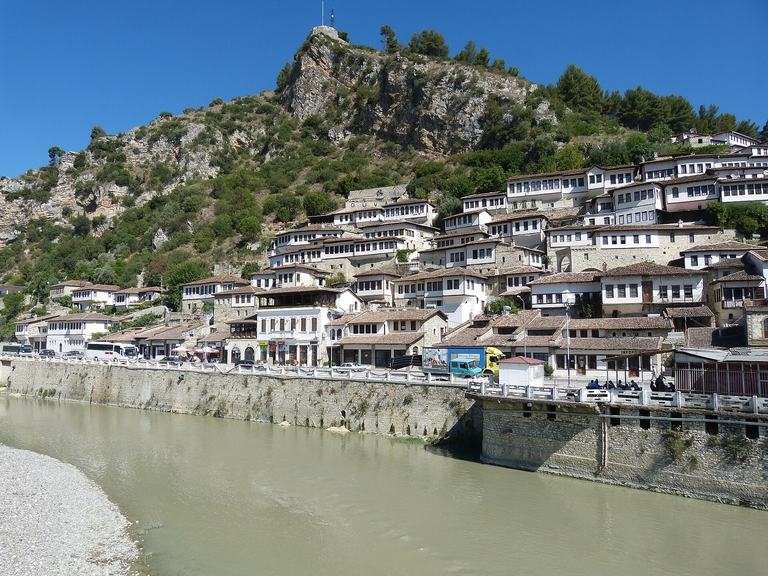
Photo: Wolfgang Sauber (CC BY-SA 4.0)
The city of a thousand windows: Berat, also known as "City of a Thousand Windows", is one of the oldest towns in Albania and a UNESCO World Heritage Site. The characteristic whitewashed houses with their red tiled roofs, winding along the slopes of the Tomorr mountains, give the town its distinctive appearance. Berat is also home to a well-preserved medieval castle that takes visitors back to the era of Ottoman rule.
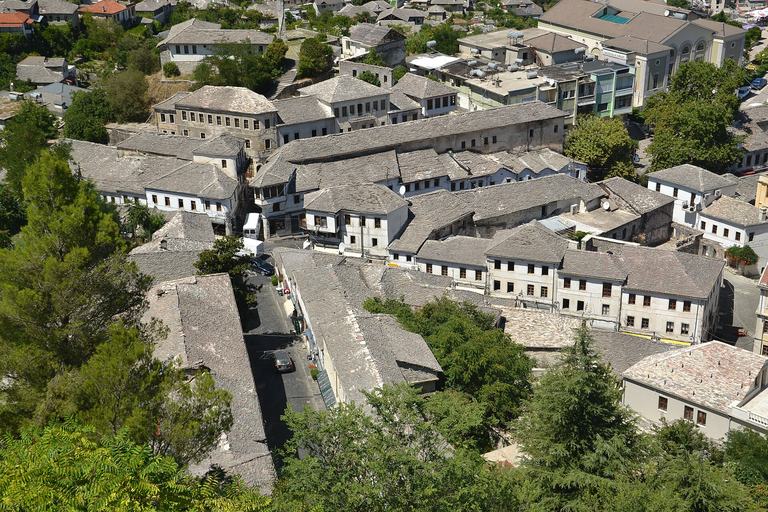
Photo: Pudelek (CC BY-SA 4.0)
The stone city: Gjirokastër is another town in Albania that belongs to the UNESCO World Heritage and is known for its well-preserved Ottoman architecture. The stone houses and cobbled streets bear witness to the rich history of the town, which goes back to the Middle Ages. Visitors can explore the historic Gjirokastër Fortress Museum, which offers a fascinating insight into the past of the region.
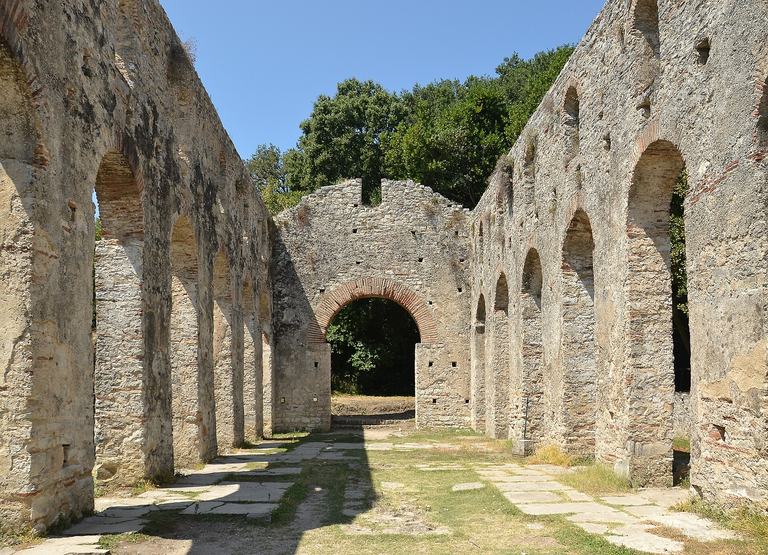
Photo: Pudelek (CC BY-SA 4.0)
Ancient ruined city: Butrint, located in the south of Albania, is an ancient ruined city of exceptional beauty and historical significance. The UNESCO World Heritage Site includes ruins from various periods, including Greek, Roman, Byzantine and Venetian remains. Visitors can walk through the well-preserved theatre, the basilica and the acropolis and discover the fascinating history of this once thriving city.
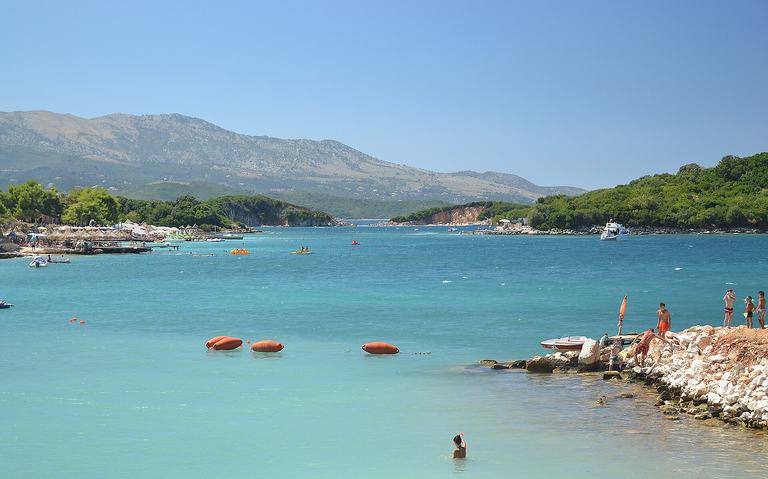
Photo: Pudelek (CC BY-SA 4.0)
The Albanian Riviera: Ksamil is a picturesque seaside resort on the Albanian Riviera, famous for its crystal-clear waters and unspoilt beaches. The small islands off the coast offer the perfect setting for relaxation. Visitors can go snorkelling, diving or simply enjoy the sun and the breathtaking views.
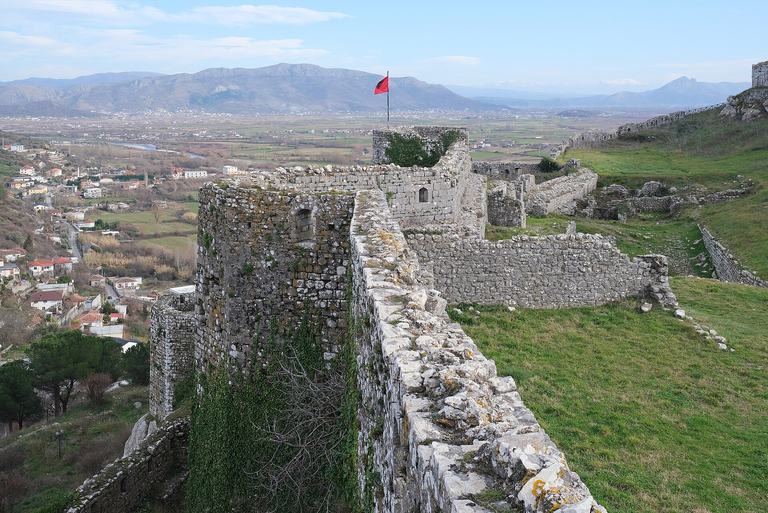
Photo: kallerna (CC BY-SA 4.0)
Culture and history: Shkodra, the largest city in northern Albania, is the country's cultural centre and offers a wealth of historical sights and cultural attractions. The Rozafa Fortress, the Marubi Photography Museum and the diverse local cuisine are just some of the highlights visitors can discover in Shkodra.
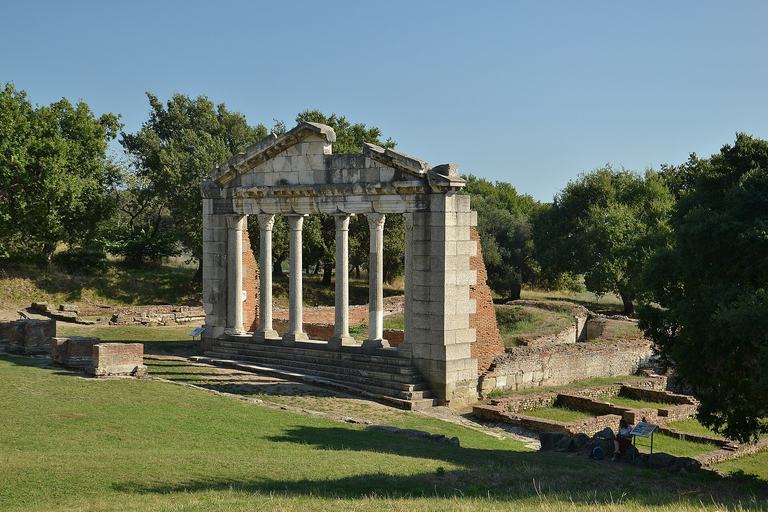
Photo: Pudelek (CC BY-SA 4.0)
Ancient centre: Apollonia, an ancient city from the 6th century BC, is another important archaeological site in Albania. The ruins of Apollonia include a theatre, a forum, temples, necropolises and other remains of a flourishing ancient settlement. Visitors can stroll through the well-preserved remains and experience the history of this once important city.


Cultural facts
Cultural diversity: Albania is known for its rich cultural diversity, which is the result of a long history and various cultural influences. The country has a unique mix of traditions, customs, music, dance, handicrafts and festivals that shape its cultural identity.
Hospitality: Albanian hospitality is legendary and plays an important role in the country's cultural life. Hosts are known for welcoming their guests warmly and offering them an abundance of food and drink to show their hospitality.
Polyphonic singing tradition: Albania is famous for its polyphonic singing tradition, which was declared an intangible UNESCO World Heritage. Polyphonic songs are multi-voiced songs practised by different regions and ethnic groups in Albania and cover a wide range of themes such as love, nature, history and social concerns.
Cultural festivals and events: Albania celebrates a variety of cultural festivals and events throughout the year that show the diversity and vibrancy of Albanian culture. These include religious festivals such as Catholic Christmas and the Muslim Eid al-Adha, but also traditional festivals such as the spring festival Nowruz and the summer solstice festival Dita e Verës.
Architecture: Albania's architecture reflects the country's diverse history, from the ancient ruins of the Greek and Roman era through the medieval castles and mosques of Ottoman rule to the communist buildings of the 20th century. These architectural styles give the towns and villages of Albania a unique look and a rich cultural atmosphere.
Handicrafts: Albania is known for its traditional handicrafts, including carpet weaving, pottery, wood carving, silversmithing and embroidery. These crafts are often passed down from generation to generation and are an important part of Albanian culture and identity.
Linguistic diversity: Although Albanian is the official language of Albania, there are a variety of regional dialects and minority languages spoken in the country. This linguistic diversity reflects Albania's ethnic diversity and is an important part of its cultural identity.
Fun facts
Bunker country: During the communist era under Enver Hoxha, over 173,000 bunkers were built across the country, which means there was one bunker for every 11 inhabitants. Today many of these bunkers are abandoned, but some have been converted for unusual purposes, such as cafés, hostels or art galleries.
Land of the eagles: The Albanian name "Shqipëria" is derived from "Shqiponja", which means eagle. Albania is often called the "land of the eagles", and the eagle is an important symbol in Albanian culture and history.
World's oldest bookshop: The "Toena" bookshop in Tirana is the oldest bookshop in the world. It was founded in 1812 and still exists today.
Hospitality with bread and salt: A traditional greeting in Albania is to welcome guests with bread and salt, a symbol of hospitality and prosperity.
Sacred stones: In many Albanian villages there are "sacred stones" that are believed to protect against evil spirits and illness. The locals believe that the stones have magical powers and bring health and luck.
Isolation under communism: During the communist era, Albania was the most isolated country in Europe. Borders were strictly controlled, and there were only limited contacts with the outside world. This isolation shaped the country and contributed to its unique culture and identity.
700,000 trees in one day: In 2019, over 700,000 trees were planted in Albania within just 24 hours to promote the reforestation of the country and protect the environment.
World's oldest tree: The "Stara Maslina", or "Old Olive Tree", in the town of Bar, Albania, is considered one of the oldest trees in the world and is estimated to be over 2,000 years old. It is a symbol of endurance and survival in Albania's history.
Seasonal highlights
Summer
Mediterranean beaches along the Albanian Riviera
In summer the Albanian Riviera shines in all its glory, enticing you with its picturesque beaches and the crystal-clear water of the Adriatic. Places such as Ksamil, Saranda and Dhermi invite visitors to spend relaxing hours in the sun while they enjoy the Mediterranean atmosphere and the breathtaking coastal scenery.
Summer festivals and cultural events
Summer is a time of lively festivities and cultural events in Albania. Traditional celebrations such as the summer festival Dita e Verës and religious festivities shape the cultural life of the country. The streets of towns and villages come alive with festive events, concerts, dance performances and local markets that reflect the diversity of Albanian culture.
Nights in Albania's historic towns
The historic towns of Albania, such as Berat, Gjirokastër and Shkodra, glow with a warm light in summer. Strolling through the narrow cobbled lanes, visiting the historic fortresses and UNESCO World Heritage Sites, as well as enjoying the lively street cafés and restaurants, make summer nights an unforgettable experience.
Island hopping in the Bay of Vlora
The Bay of Vlora on the Albanian coast offers the perfect backdrop for island hopping in summer. Visitors can explore places such as the islands of Ksamil, Karaburun and Sazan, to experience the unspoiled nature, the crystal-clear waters and the rich maritime history of Albania.
Winter
Winter sports in the Albanian Alps
In winter the Albanian Alps are a paradise for winter sports enthusiasts. Popular ski areas such as Dajti Mountain and Boga attract skiers, snowboarders and snowshoe hikers from around the world, who come to enjoy the magnificent mountain scenery and the fresh mountain air.
Winter markets and festive atmosphere
The towns and villages of Albania often take on a festive atmosphere in winter. Christmas markets, traditional craft fairs and festive lighting create a special mood in towns such as Tirana, Shkodra and Korça. Visitors can try local specialities, buy handmade gifts and experience the warm hospitality of the locals.
Carnival in Korça
The carnival in Korça is one of the best-known carnival celebrations in Albania. With colourful parades, traditional masks and festive events, the carnival draws visitors from all over the world and gives the town a lively, exuberant atmosphere.
Important information
Best time to travel
The best time to travel to Albania is in spring (April to June) and autumn (September to November), when the weather is pleasantly mild and nature is in full bloom. During these months temperatures are ideal for sightseeing, hiking and outdoor activities. Summer (July to August) is the high season in Albania, especially along the coast, when the beaches are busy and the water is inviting for swimming. Winter (December to February) is rather quiet and offers the chance to explore towns and historic sites without the crowds.
Currency
The currency in Albania is the Albanian lek (ALL). It is advisable to carry cash in the local currency, as many shops, restaurants and hotels do not accept credit cards. Cash machines are widespread in larger towns and tourist areas, but it can be harder to withdraw money outside these areas.
Weather conditions
The climate in Albania varies by region: the coast has a Mediterranean climate, while the interior has a continental climate. Summers are warm and dry, with average temperatures between 25°C and 30°C on the coast and somewhat cooler temperatures inland. Winters are cool and damp, with average temperatures between 5°C and 10°C; it gets colder in the mountains and higher elevations, and snowfall is possible.
Culinary delights
Albanian cuisine is varied and rich, shaped by Mediterranean, Ottoman and Italian influences. Popular dishes include meat dishes such as qofte (meatballs), tavë kosi (lamb with yoghurt sauce) and baklava (sweet pastry), as well as fresh fish, olives, cheese and vegetables. Albanian specialities vary by region: coastal areas often offer seafood, while mountain regions serve hearty stews and grilled meat.
Other useful information
Albania is rich in cultural attractions and historic sites, including UNESCO World Heritage Sites such as the ancient city of Butrint, the fortresses of Berat and Gjirokastër, and the historic towns of Tirana and Shkodra. The country also offers impressive natural diversity, from the mountains of the Albanian Alps to the beaches of the Albanian Riviera. Albania is a safe destination that is growing in popularity, but it is advisable to respect local laws and customs and to take care with your safety, especially in remote areas and when hiking.