Sardinia

Book a ferry to Sardinia – routes, fares and connections
Operators & routes from / to Sardinia
- Ajaccio – Porto Torres (Sardinia)Corsica Ferries
- Arbatax (Sardinia) – Olbia (Sardinia)Tirrenia
- Barcelona – Porto Torres (Sardinia)Grimaldi Lines13 h 49 min
- Bastia (Corsica) – Golfo AranciCorsica Ferries
- Bonifacio (Corsica) – Santa Teresa (Sardinia)Moby Lines50 min
- Cagliari (Sardinia) – SavonaGrimaldi Lines
- Civitavecchia – Arbatax (Sardinia)Grimaldi Lines, Tirrenia9 h
- Civitavecchia – Cagliari (Sardinia)Grimaldi Lines14 h
- Civitavecchia – Golfo AranciCorsica Ferries
- Civitavecchia – Olbia (Sardinia)Grandi Navi Veloci, Grimaldi Lines, Tirrenia7 h 30 min
- Civitavecchia – Porto Torres (Sardinia)Grimaldi Lines8 h 23 min
- Genoa – Olbia (Sardinia)Grandi Navi Veloci, Moby Lines, Tirrenia12 h 45 min
- Genoa – Porto Torres (Sardinia)Grandi Navi Veloci, Moby Lines, Tirrenia11 h
- Livorno – Golfo AranciCorsica Ferries10 h 30 min
- Livorno – Olbia (Sardinia)Grimaldi Lines, Moby Lines9 h
- Naples – Cagliari (Sardinia)Grimaldi Lines15 h
- Nice – Golfo AranciCorsica Ferries
- Nice – Porto Torres (Sardinia)Corsica Ferries
- Palermo (Sicily) – Cagliari (Sardinia)Grimaldi Lines12 h
- Piombino – Golfo AranciCorsica Ferries
- Piombino – Olbia (Sardinia)Moby Lines, Tirrenia
- Porto Vecchio – Golfo AranciCorsica Ferries
- Porto Vecchio – Porto Torres (Sardinia)Corsica Ferries
- Savona – Golfo AranciCorsica Ferries
- Sete – Porto Torres (Sardinia)Corsica Ferries19 h 45 min
- Toulon – Golfo AranciCorsica Ferries
- Toulon – Porto Torres (Sardinia)Corsica Ferries12 h 45 min

- Location: In the Mediterranean Sea, west of Italy
- Area: Approx. 24,100 km²
- Population: Around 1.6 million people
- Capital: Cagliari
- Official languages: Italian and Sardinian
- Currency: Euro
- Cuisine: Known for delicious Sardinian cuisine, such as pasta, seafood and cheese
- Activities: Water sports, hiking, cycling
The colours of Sardinia are nature’s palette – a deep blue sea, emerald-green hills and golden sunsets
Welcome to Sardinia, a charming island in the Mediterranean Sea. With its crystal-clear turquoise water, breathtaking coastlines and picturesque mountain landscapes, Sardinia is a true paradise for nature lovers and sun worshippers.
But the island has much more to offer than its stunning beaches. From ancient ruins and historic towns to traditional villages and delicious Mediterranean cuisine, Sardinia is a place where history, culture and pleasure blend seamlessly together.
Travelling by car
Drink-driving: The legal limit is 0.5 per mille. For drivers who have held their driving licence for less than three years, the limit is 0.0.
| Motorbikes / Cars / Motorhomes up to 3.5 tonnes | Motorhomes weighing between 3.5 t and 7.5 t | Horse-drawn carriages | |
|---|---|---|---|
| in built-up areas | 50 | 50 | 50 |
| outside built-up areas | 90 | 80 | 70 |
| Expressway¹ | 110³ | 80 | 70 |
| Motorway² | 130⁴ | 100 | 80 |
- ¹ blue sign
- ² green sign
- ³ in the event of rain or snow, and for new drivers (who have held their driving licence for less than 3 years)
- ⁴ in rain or snow: 110 km/h; novice drivers (with a driving licence held for less than 3 years): 100 km/h
When using snow chains, the speed limit is 50 km/h everywhere.
In Trentino, the speed limit for all vehicles on some mountain and pass roads is 60 km/h. This rule does not apply where a lower speed limit is already in force.
Important information
Unlike in Germany
- Public buses and vehicles travelling uphill on mountain roads have right of way, unless there is a nearby alternative route available.
- Parking spaces in large towns and cities are marked with coloured lines: white lines indicate free parking, yellow lines indicate reserved spaces, and blue lines indicate paid parking.
- Parking is prohibited where there are black and yellow kerb markings.
- Dipped headlights or daytime running lights are compulsory on all roads during the day, all year round.
- All motorists must wear a high-visibility vest when leaving their vehicle outside built-up areas.
- Motorcycle riders and passengers must wear a helmet that complies with the ECE-R-22 standard.
Prohibited
- Private towing on motorways
- Throwing rubbish and objects out of the car
- Smoking in motor vehicles when minors or pregnant women are passengers
- Radar detectors (use and possession)
Sights
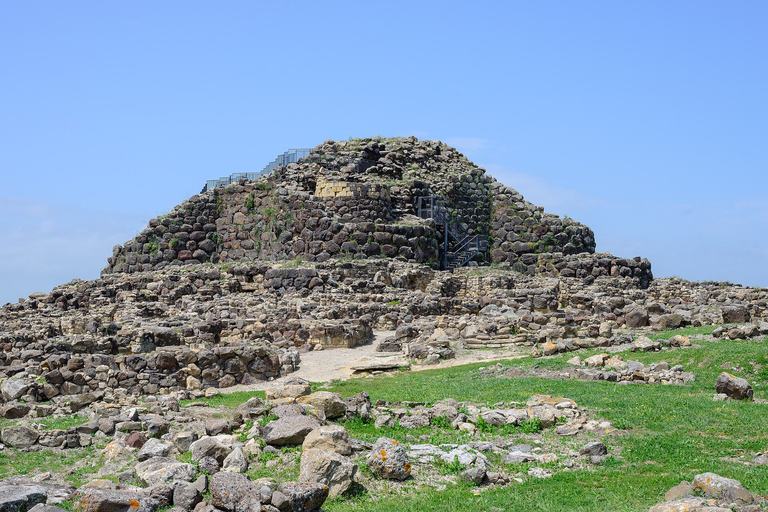
Photo: Norbert Nagel (CC BY-SA 3.0)
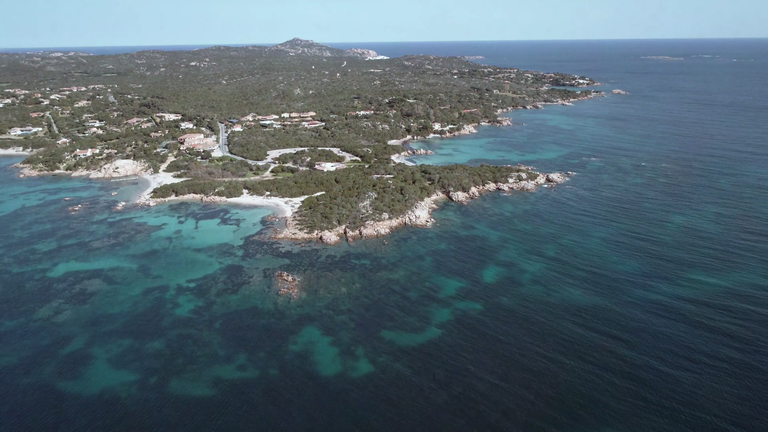
Photo: Ramagliolo9 (CC BY-SA 4.0)
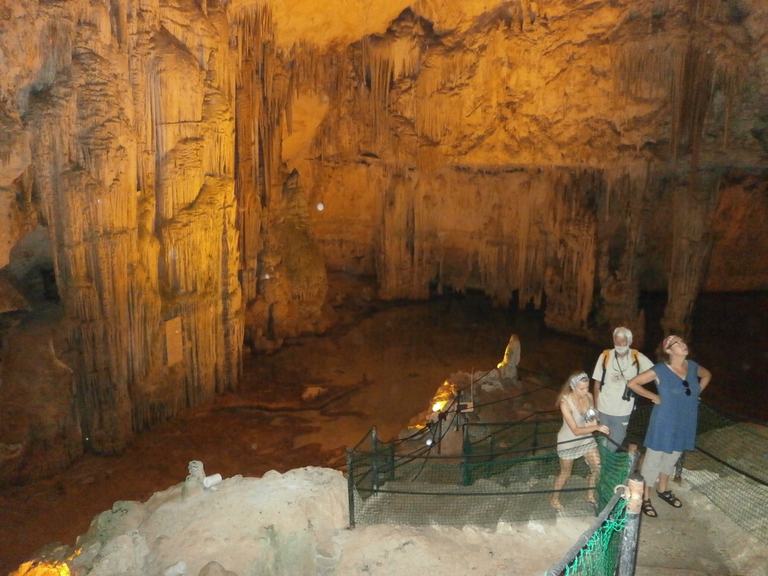
Photo: Daniel Ventura (CC BY-SA 4.0)
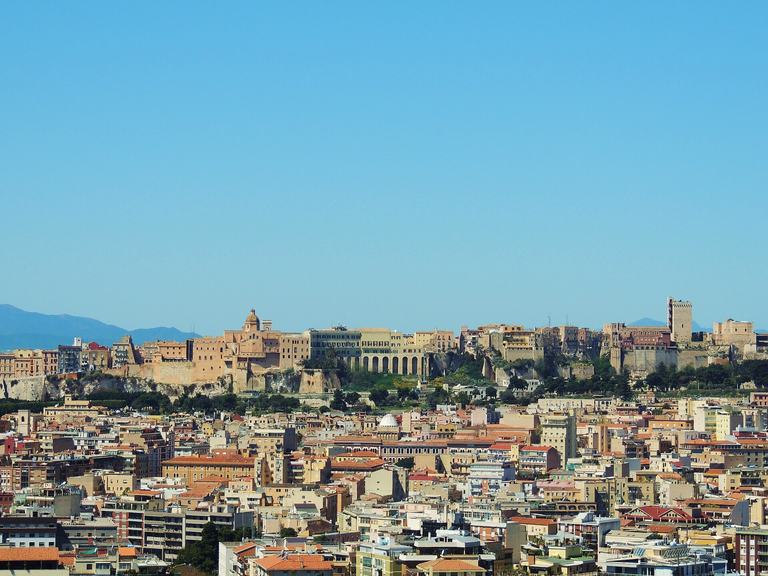
Photo: Roburq (CC BY-SA 3.0)
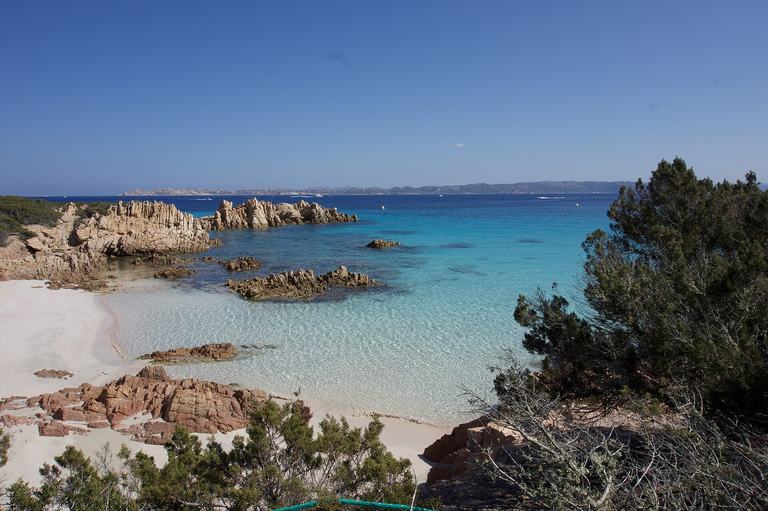
Photo: Esetto (CC BY-SA 4.0)
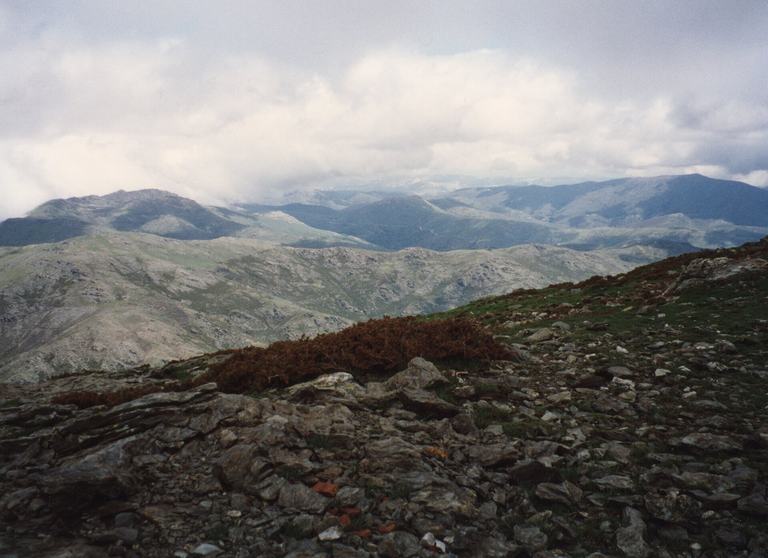
Photo: JopkeB (CC BY-SA 4.0)


Operators to Sardinia

Moby Lines 
Tirrenia 
Grimaldi Lines 
Corsica Ferries 
GNV 
Toremar


